

Top 10 Best Accounting Software in Malaysia for 2026
As Malaysian businesses continue to embrace digital transformation in 2026, reliable accounting software has become an essential tool for managing finances with greater accuracy, speed, and confidence. From e-invoicing and SST compliance to cash flow tracking, payroll integration, inventory management, and real-time financial reporting, modern accounting platforms help companies reduce manual work while improving visibility over their financial performance.
FEATURED BRANDS
AI Account Software
As AI becomes more advanced, developers are creating "AI Agents" that can perform complex, multi-step tasks on their own. An AI Account in this context refers to a digital wallet, bank account, or software user profile assigned directly to an AI.
Beginner’s Guide to Choosing the Best Accounting Software in Malaysia
Choosing the right accounting software in Malaysia can make day-to-day business management much easier, especially for small businesses, startups, freelancers, and growing companies. The best software should help you track income and expenses, manage invoices, monitor cash flow, prepare financial reports, and stay aligned with Malaysian tax and e-invoicing requirements.
What Is Accounting Software?
Accounting software is a digital tool that helps businesses record, organize, and manage their financial transactions. Instead of tracking money manually in notebooks or spreadsheets, businesses can use accounting software to handle tasks like invoices, expenses, payments, reports, and tax records more efficiently.
Why You Need Accounting Software?
Accounting software is important because it helps you manage your business finances more accurately, quickly, and professionally. Instead of spending hours recording transactions manually, you can use software to track income, expenses, invoices, payments, and reports in one place.
For many businesses, especially SMEs and startups, accounting software makes financial management easier and less stressful. It helps you understand where your money is going, how much profit you are making, and whether customers have paid on time.
Where Can I Find the Best Accounting Software in Malaysia?
Finding the best accounting software in Malaysia starts with knowing where to look and what your business actually needs. The right platform should be easy to use, suitable for your company size, and able to support Malaysian accounting, tax, and e-invoicing requirements.
Here are the Top 10 Best Accounting Software in Malaysia
AI Account Software
| Rating: | ★★★★★ |
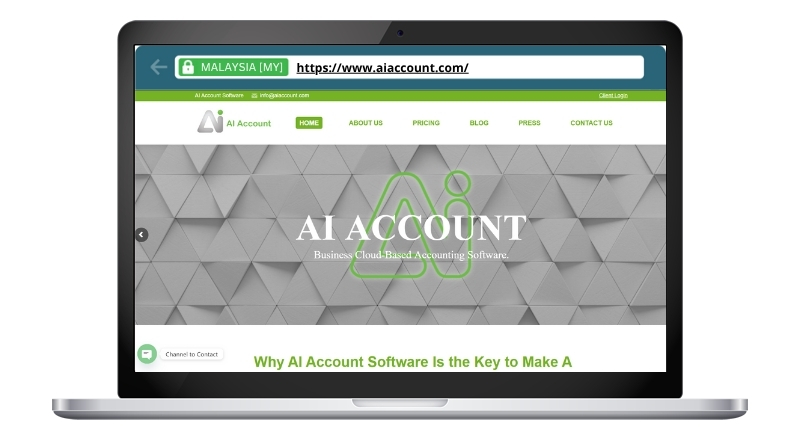
| Overview: | AI Account is a modern cloud accounting software powered by artificial intelligence. It automates bookkeeping, invoicing, reconciliation, and reporting while ensuring full SST and e-invoicing compliance in Malaysia. |
| Pros: | AI-driven automation, real-time financial insights, SST-ready templates, and scalable for multi-entity operations. |
| Cons: | Slight learning curve for first-time users; higher pricing than basic entry-level tools. |
| Ideal For: | Growing SMEs and multi-branch companies in Malaysia that want smarter automation and compliance support. |
| Website: | www.aiaccount.com |
SQL Accounting
| Rating: | ★★★★☆ |
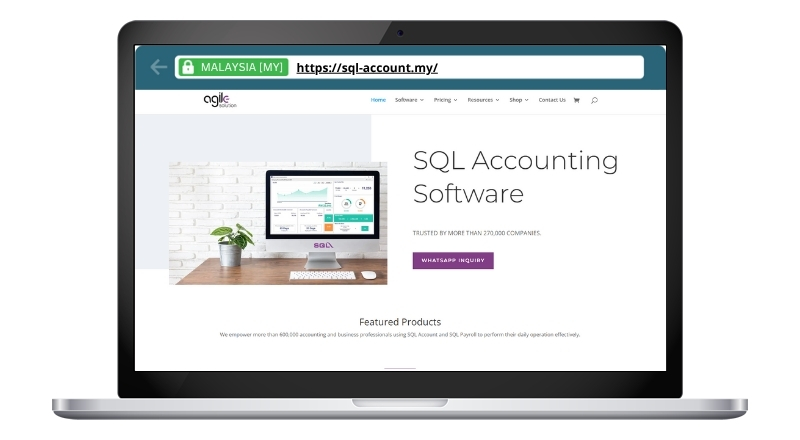
| Overview: | SQL Accounting offers a hybrid desktop-cloud setup with payroll, POS, and SST modules widely used by Malaysian SMEs. |
| Pros: | Rich feature set, strong local support, and affordable licensing. |
| Cons: | More desktop-oriented; UI can be complex for beginners. |
| Ideal For: | Accountants and SMEs needing detailed control and on-premise options. |
| Website: | www.sql.com.my |
AutoCount Accounting
| Rating: | ★★★★☆ |
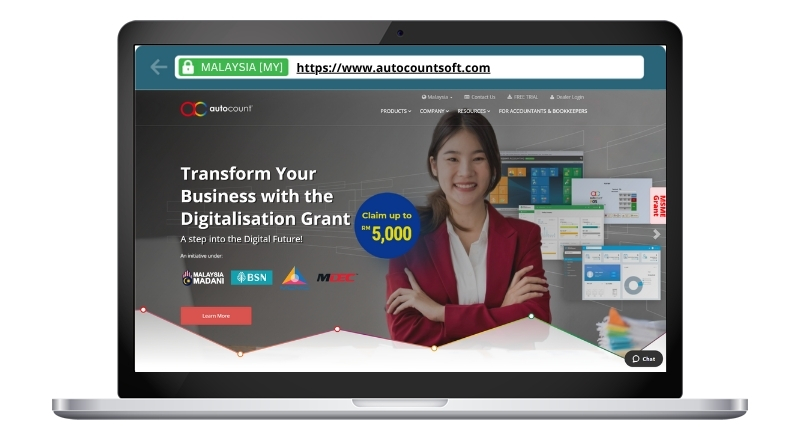
| Overview: | AutoCount Accounting is one of Malaysia’s most trusted local accounting systems, well-known for inventory control, multi-user access, and SST compliance. |
| Pros: | Reliable local brand, strong inventory and billing features, available in cloud and desktop versions. |
| Cons: | Interface feels outdated; limited integrations with third-party apps. |
| Ideal For: | SMEs that prefer a stable local accounting system with strong inventory management. |
| Website: | www.autocountsoft.com |
Financio
| Rating: | ★★★★ |
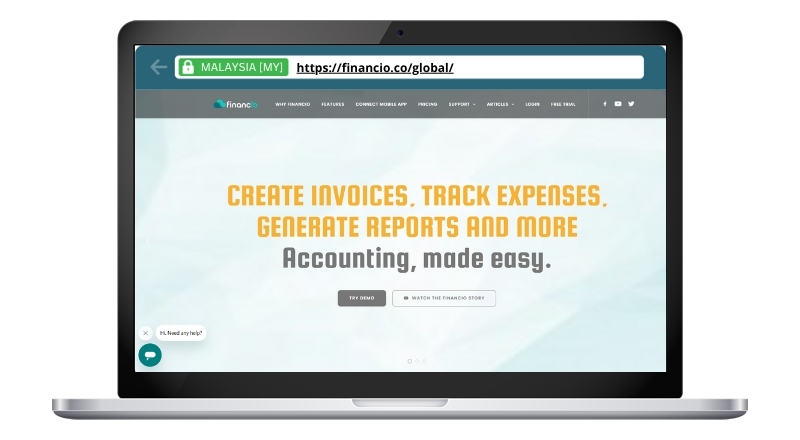
| Overview: | Financio is a Malaysian-built cloud accounting software by ABSS, offering bilingual interface, SST compliance, and e-invoicing features. |
| Pros: | Local focus, easy setup, affordable plans. |
| Cons: | Limited scalability for large enterprises. |
| Ideal For: | Startups and small Malaysian businesses needing a simple local cloud tool. |
| Website: | financio.co/my |
Xero
| Rating: | ★★★★ |
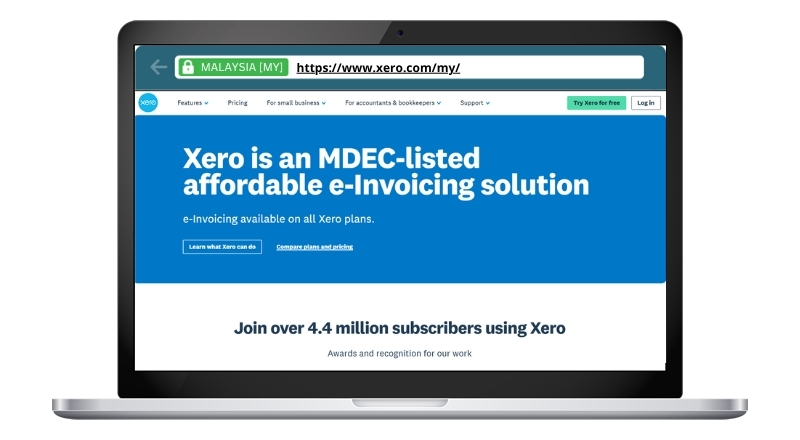
| Overview: | Xero is a global cloud accounting leader with a clean interface, mobile app, and integrations with over 1,000 business apps. |
| Pros: | Beautiful UI, seamless app integrations, and excellent collaboration tools. |
| Cons: | Priced in USD; some Malaysian tax settings require customization. |
| Ideal For: | Digital-first SMEs that rely on app integrations and remote collaboration. |
| Website: | www.xero.com/my |
QuickBooks Online
| Rating: | ★★★★ |
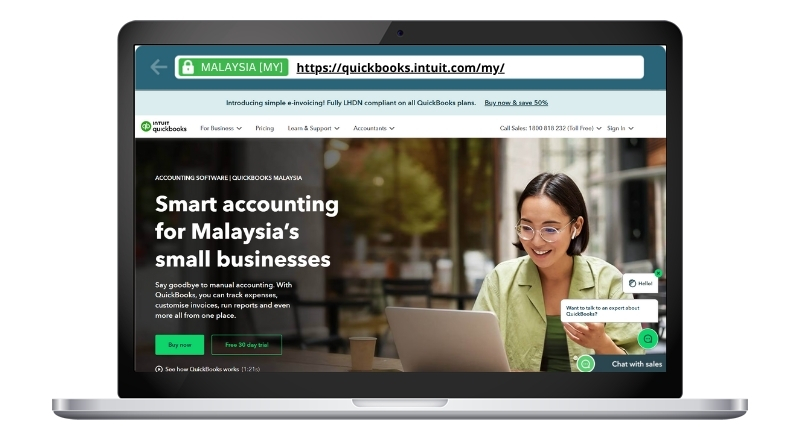
| Overview: | QuickBooks Online is a globally recognized cloud accounting software known for automation, usability, and flexible reporting. |
| Pros: | Easy dashboard, reliable automation, strong mobile app. |
| Cons: | Limited Malaysia-specific reporting; priced in USD. |
| Ideal For: | Freelancers and small firms seeking reliable, easy-to-use accounting tools. |
| Website: | quickbooks.intuit.com/my |
Zoho Books
| Rating: | ★★★★ |
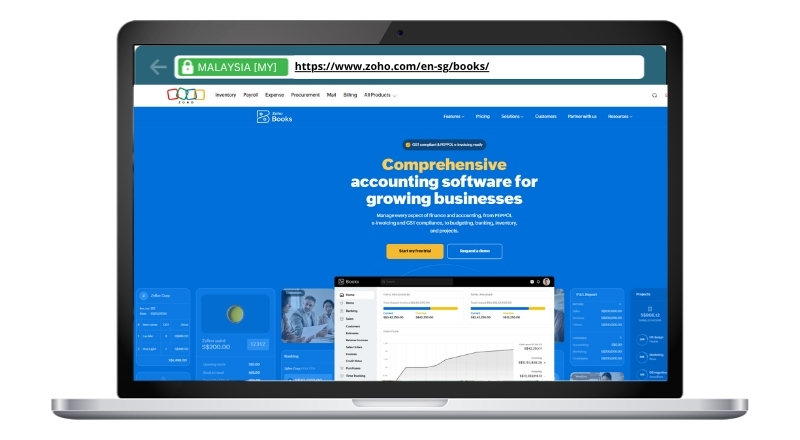
| Overview: | Zoho Books integrates seamlessly with Zoho’s ecosystem, combining accounting with CRM, HR, and workflow automation tools. |
| Pros: | Excellent automation, strong integration ecosystem, and affordable pricing. |
| Cons: | Initial setup requires time; manual local tax adjustments may be needed. |
| Ideal For: | Businesses already using Zoho apps or looking for all-in-one workflow automation. |
| Website: | www.zoho.com/books |
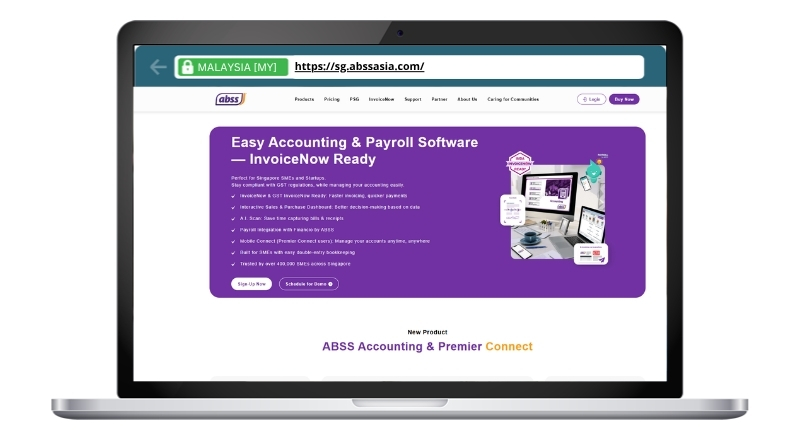
ABSS Accounting (formerly MYOB)
| Rating: | ★★★☆ |
| Overview: | ABSS Accounting, formerly MYOB, remains a trusted desktop accounting tool in Malaysia known for stability and local compliance. |
| Pros: | Reliable offline system, SST-ready, strong vendor support. |
| Cons: | Outdated interface, lacks modern cloud functionality. |
| Ideal For: | Traditional businesses preferring offline data control and proven reliability. |
| Website: | www.abssasia.com |
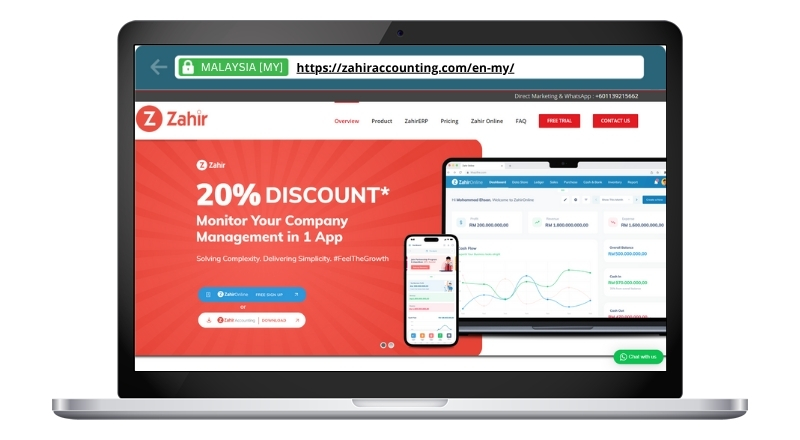
Zahir Accounting
| Rating: | ★★★ |
| Overview: | Zahir Accounting is widely used across Southeast Asia, providing affordable and simple accounting tools with inventory support. |
| Pros: | Strong inventory and project tracking, budget-friendly pricing. |
| Cons: | Limited automation and integrations. |
| Ideal For: | Small traders and retailers managing sales, stock, and expenses locally. |
| Website: | zahiraccounting.com/en-my |
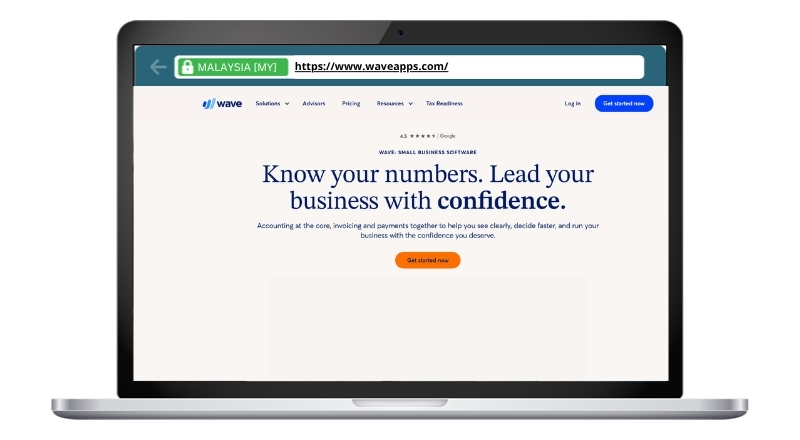
Wave Accounting
| Rating: | ★★★ |
| Overview: | Wave Accounting is a free cloud-based platform offering core accounting, invoicing, and receipt tracking for microbusinesses. |
| Pros: | Completely free, easy to use, and ideal for beginners. |
| Cons: | No Malaysia-specific tax compliance, limited features for larger companies. |
| Ideal For: | Freelancers and startups seeking a no-cost accounting solution. |
| Website: | www.waveapps.com |
End of List on the Top 10 Best Accounting Software in Malaysia
Awards & Recognition
Top 10 Best Accounting Software in Malaysia , selected based on market relevance, SME suitability, cloud/e-invoicing readiness, brand reputation, and visible awards or recognition where available.
These recognised companies help Malaysian businesses simplify bookkeeping, improve accuracy, boost productivity, and make smarter financial decisions in today’s digital economy.
Through this recognition, Malaysia Brand continues its mission to showcase trusted brands, reliable business solutions, and innovative technologies that strengthen Malaysia’s business ecosystem.
Disclaimer: The companies featured in this Top 10 Best Accounting Software in Malaysia list have been carefully selected based on their scope of services, industry expertise, and customer reviews. However, Malaysia Brands does not endorse or guarantee the quality of services provided by these businesses. We do not take responsibility for their business operations, transactions, or any issues that may arise from engagements with them. Readers are advised to conduct their own due diligence before making any hiring or purchasing decisions.
Get Your Business Featured
Are You a Service Provider?
Get Your Business Featured on Malaysia Brands
Join Malaysia’s leading directory of trusted businesses and connect with customers actively searching for quality services.
Benefits of Being Featured:
✅ Increased visibility to potential customers
✅ Build credibility and trust with verified listings
✅ Showcase your portfolio and customer reviews
✅ Direct contact from interested clients
Conclusion
Choosing the right service provider is a crucial decision that impacts your satisfaction, investment, and overall experience. The Top 10 Best Services in Malaysia featured in this guide have been carefully selected based on their expertise, service quality, and customer satisfaction.
Key Takeaways
✓ Do Your Research – Review customer feedback and compare multiple service providers before deciding.
✓ Set Clear Expectations – Communicate your needs, budget, and timeline clearly with your chosen provider.
✓ Quality Over Price – Prioritize quality service and reliability to avoid disappointments down the line.
✓ Check Credentials – Ensure your chosen provider has proper licenses and a solid track record.
Whether you’re looking for premium solutions or budget-friendly options, the services listed here offer diverse expertise to meet your specific needs and preferences.
Ready to get started? Reach out to any of the featured services above to schedule a consultation and take the first step toward achieving your goals.